Holistic life addresses all aspects of self – physical, mental, emotional, social, and spiritual – as these elements are interconnected. For example, if you are experiencing prolonged grief, which can turn into suffering, you may experience physical symptoms such as fatigue, restlessness, stomach pain, or joint pain. This is most often because emotional and physical pain exists in the same area of the brain.
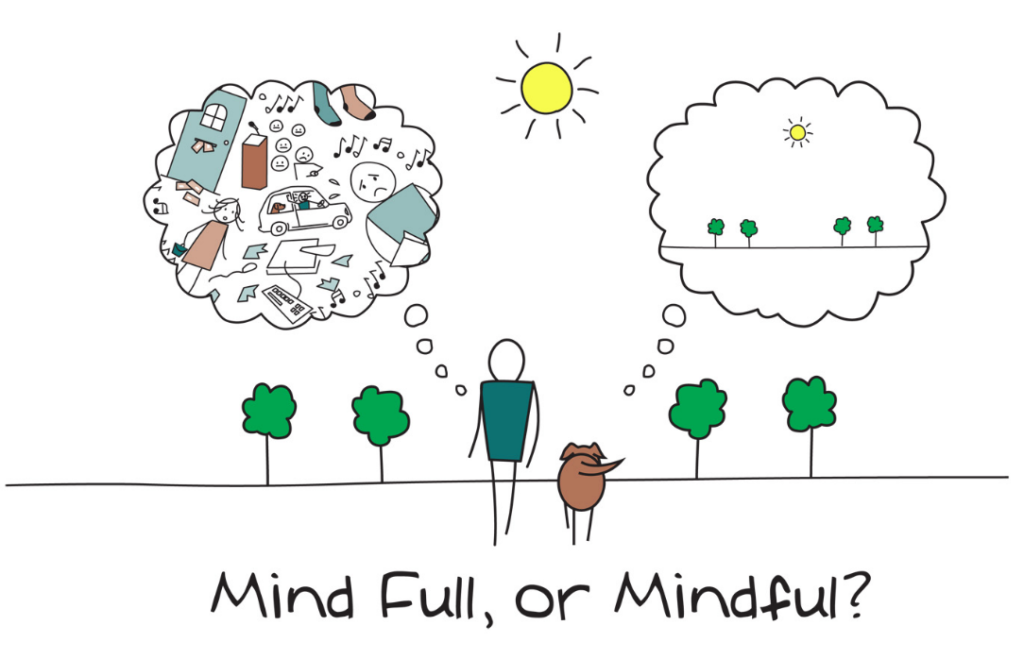
Mindfulness is the basic human ability to be fully present, aware of where we are and what we’re doing, and not over ly reactive or overwhelmed by what’s going on around us. Do you ever feel like your thoughts are racing a hundred miles a minute? Or that there’s just too much going on and you can’t find time to breathe? Feeling anxious and overwhelmed may even be affecting your schoolwork and grades or office work. If this sounds familiar, mindfulness-based practices may be for you.
Whenever you bring awareness to what you’re directly experiencing via your senses, or to your state of mind via your thoughts and emotions, you’re being mindful. And there’s growing research showing that when you train your brain to be mindful, you’re actually remodeling the physical structure of your brain.
The aim of mindfulness is not to quiet the mind or attempt to achieve a state of eternal calm. The goal is simple: we’re aiming to pay attention to the present moment, without judgment. Easier said than done,we know.
Mindfulness meditation is the practice of being present and deliberately aware of our inner thoughts, feelings, and surroundings. It originates from Buddhism but is secular in nature. Mindfulness meditation has been shown to reduce stress, improve sleep, and improve cognitive functioning.
A simple technique of being mindful of your breath (complete awareness of inhalation and exhalation) for 3-5 minutes can give significant benefits.
Practice Mindfulness.